The Slow Toilet Leak Hiding Under Your Bathroom Tile
Where Bathroom Water Damage Really Starts
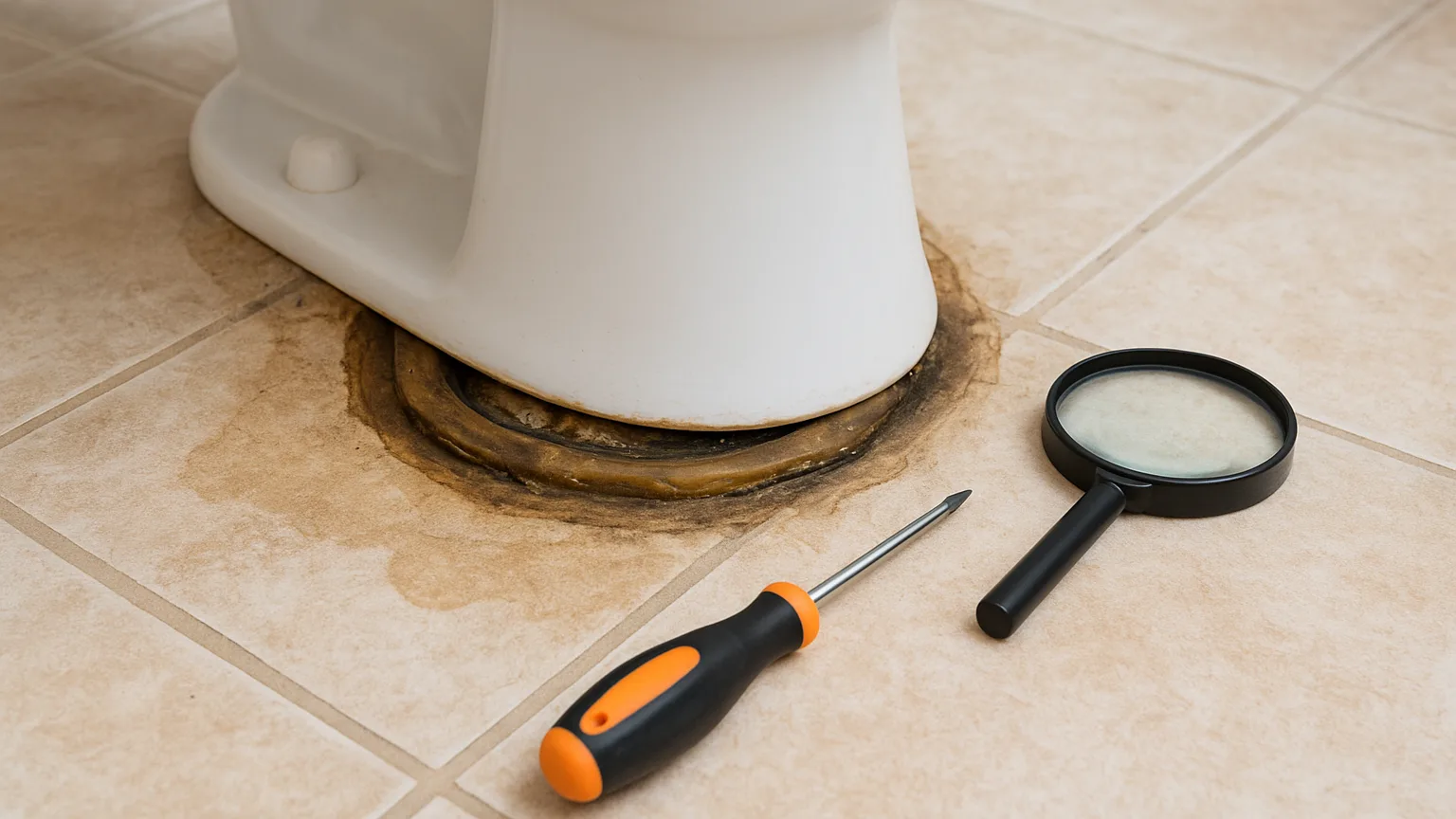
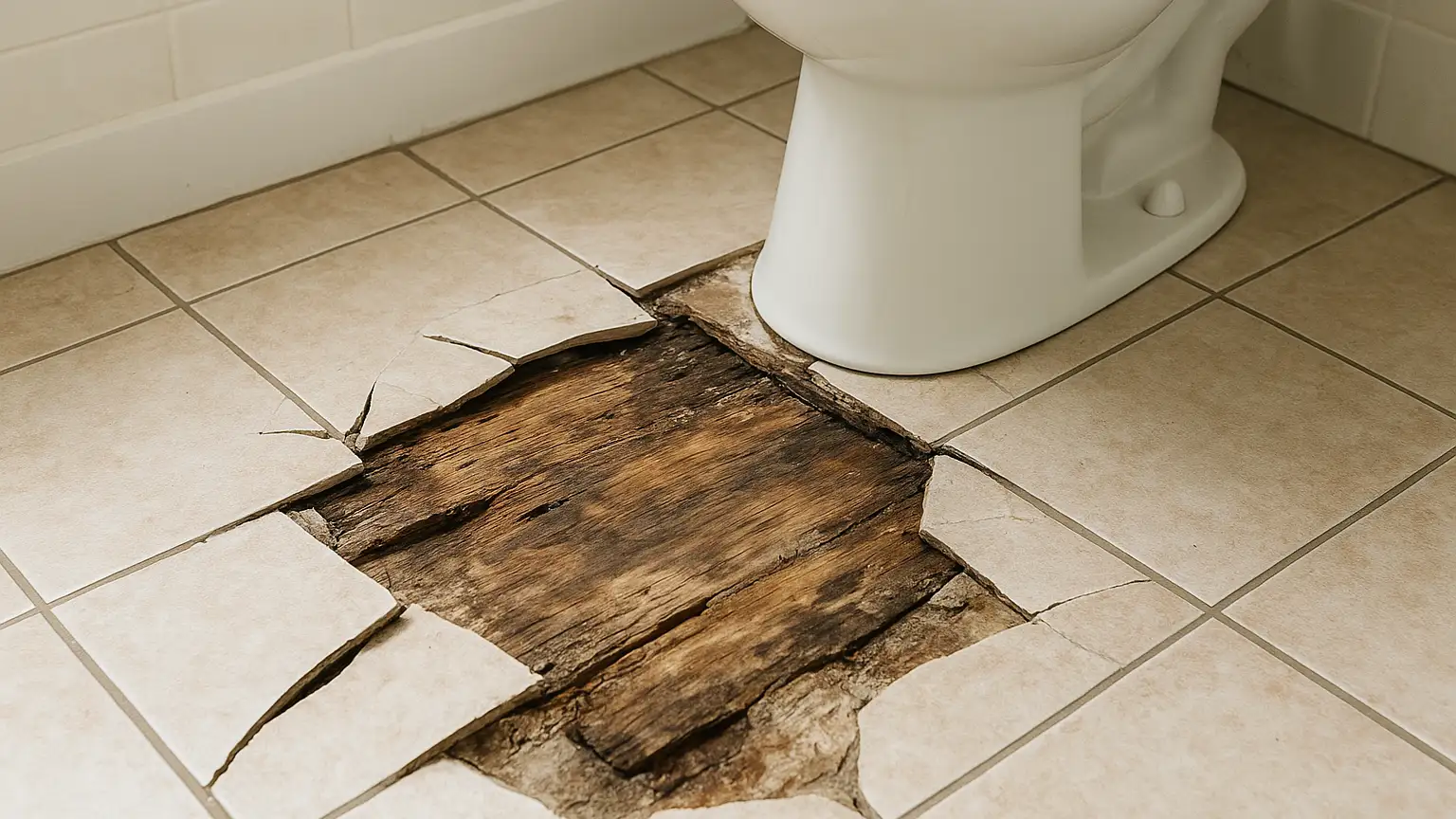
Most bathroom floor damage does not start with a flood. It starts with a few drops a day that nobody sees. A toilet sits on a ring of wax that seals it to the drain pipe in the floor. When that seal slips, each flush can push a little water out the sides. The water does not pool on top where you would spot it. It sinks into the subfloor, the plywood or particle board under your tile or vinyl, which is why catching leaks from below means looking past the surface.
This guide was shaped with help from Handysquad Home Services, whose repair crews see the plumbing side of these leaks all the time. Their field experience helped us map where water sneaks in first and what homeowners tend to miss.
Why a Few Drops Turn Into Real Damage
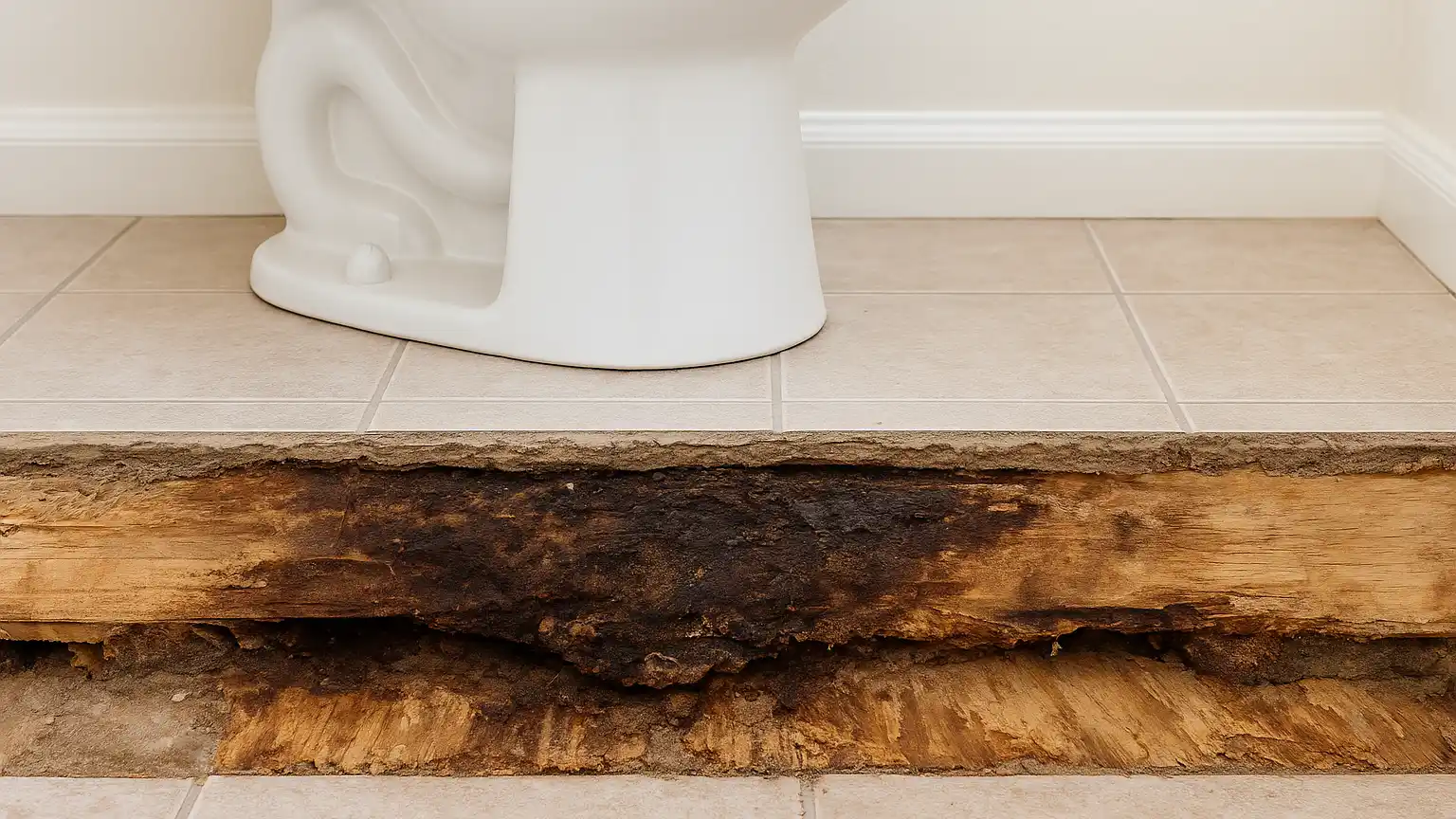
Wood can soak up a lot of water before it looks wet. Arizona's dry air also fools people, because a damp spot on the surface dries fast and nothing seems wrong. Water trapped under a toilet base and a layer of tile has nowhere to go. The wood stays damp for weeks or months, and that is all rot fungus needs.
Over time the wood turns soft and dark. Screws and nails lose their grip, the toilet starts to shift, and the tile or plank around it cracks or lifts. By the time you can see it, the damage is often a foot or two wide.
The Usual Suspects
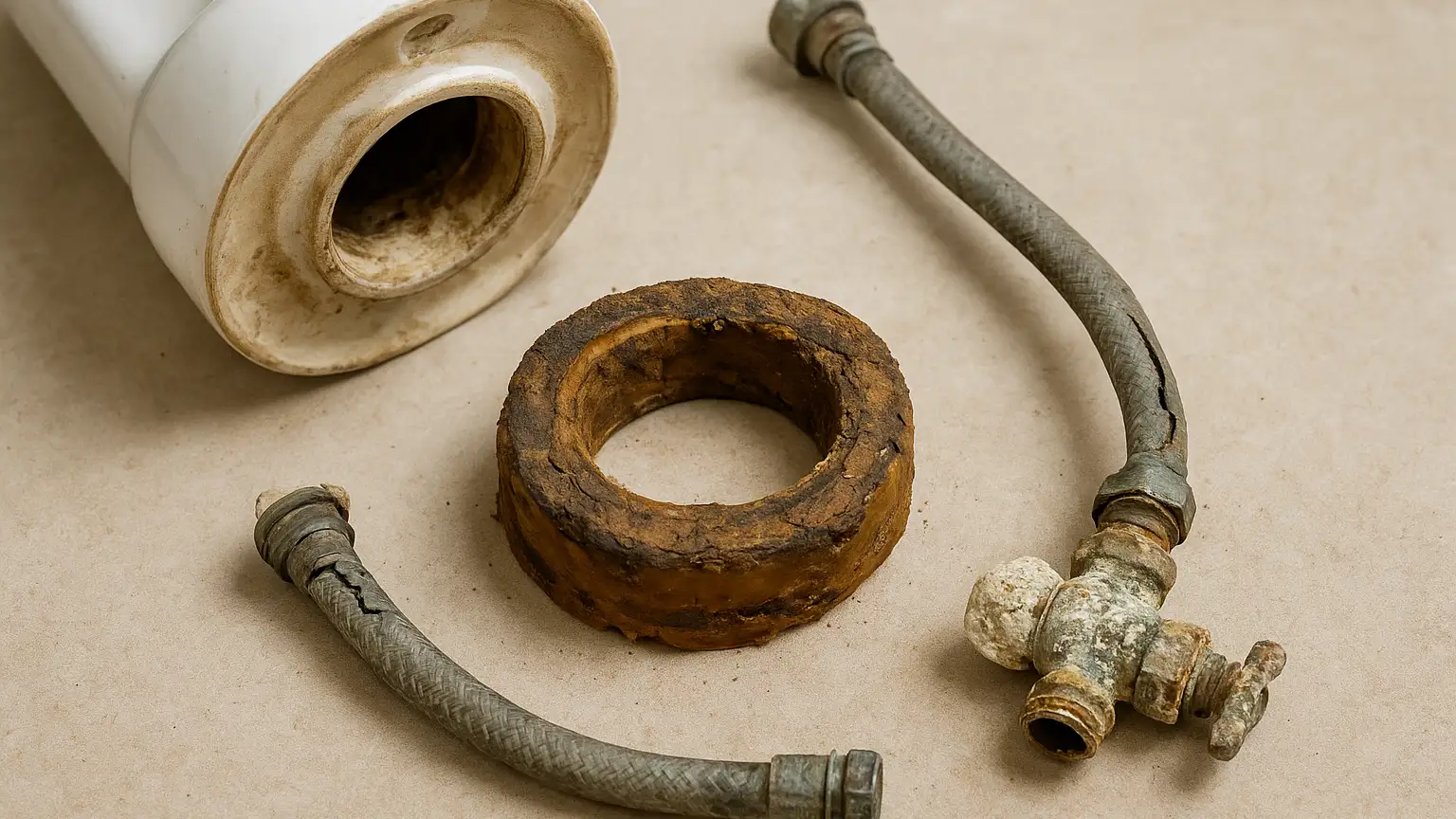
- The wax ring. It seals the toilet to the drain. It fails when the toilet rocks, when the bolts are loose, or when the ring was set too thin on install.
- The supply line. This is the short hose from the wall valve to the tank. Older lines crack, and plastic nuts can split with age.
- The shutoff valve. Arizona's hard water leaves white crust on valves. That buildup can wear the seal and cause a slow drip down the wall.
- The tank bolts. The rubber washers between tank and bowl harden over the years and seep water onto the floor behind the toilet.
The toilet is bolted right through the floor, it is used many times a day, and its parts wear out on a schedule. If you only check one spot in your home this month, make it this one.
Ready to price out a new floor?
Get a fast quote from a Phoenix flooring store that installs what it sells, with samples brought right to your door.
Reading the Clues Your Floor Leaves Behind
Your bathroom floor cannot tell you there is a leak, but it leaves hints. The trick is knowing what each one means.
The Toilet Moves When You Sit Down
A toilet should feel as solid as a rock. If it shifts or wobbles even a little, take it seriously, because rocking breaks the wax seal a bit more each time. Sometimes the bolts are just loose. Other times the wood underneath has gone soft and can no longer hold them tight. Tightening may help for a week, but if the floor is rotten, the wobble comes back.
A Soft or Spongy Spot
Stand next to the toilet and shift your weight from foot to foot, then press down near the base with your hand. A healthy floor feels firm. If it gives, bounces, or feels like a mattress, the subfloor is likely wet or rotting. This is one of the clearest signs, and it means the leak has been going on for a while.
Grout and Caulk That Change Color
Grout around a leaking toilet often turns gray, brown, or black and may crumble when you scratch it. Caulk at the base can turn yellow or show dark lines. These stains come from water wicking up from below, not from mopping. If the stain is darkest close to the toilet and fades outward, the toilet is almost always the source.
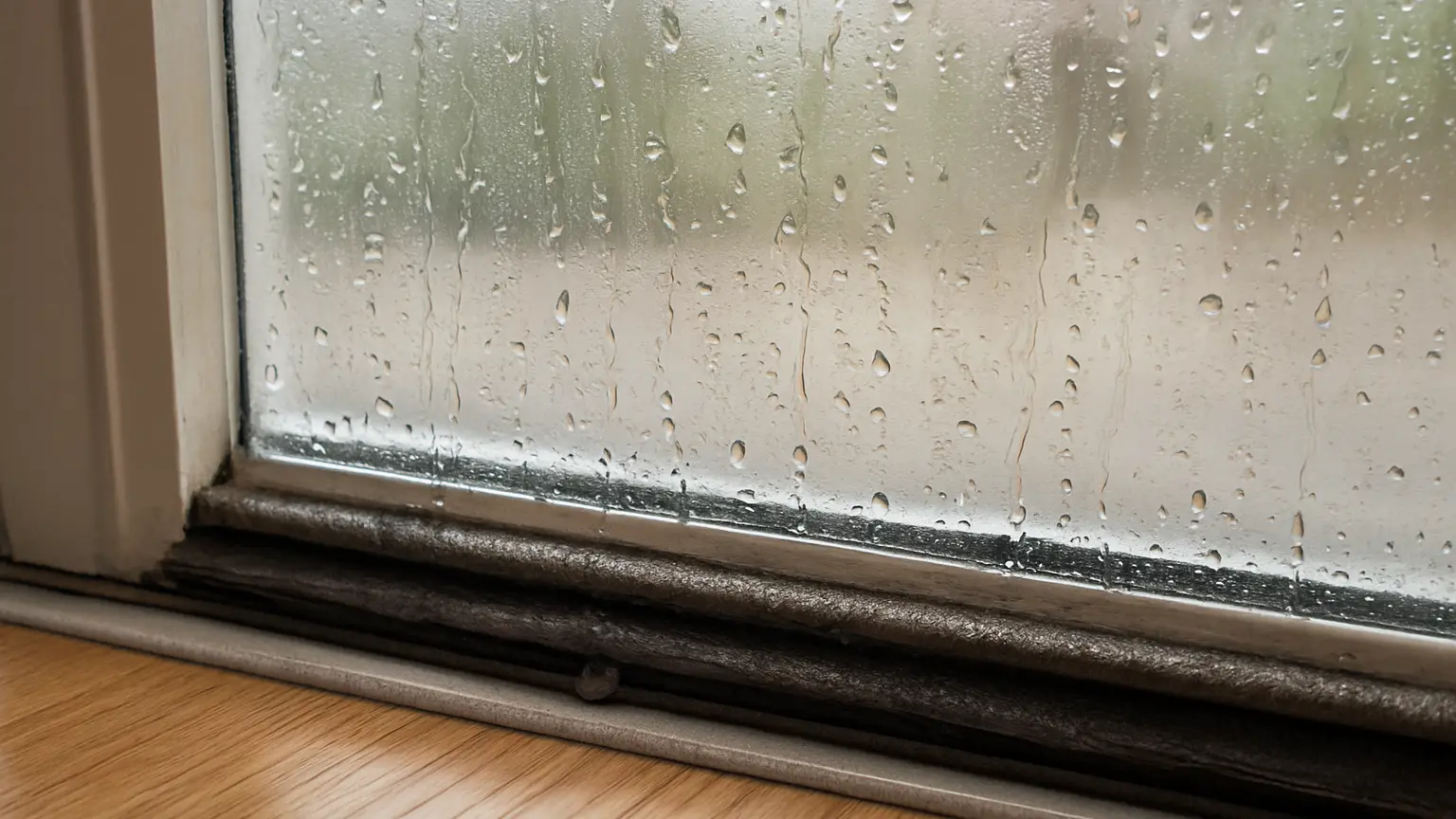
A stain far from the toilet, near an outside wall or a patio door, points somewhere else. That kind of damage often shows up after storms, much like what happens when monsoon rain slips under doors and soaks the edge of a floor.
Other Hints Worth Noting
- A musty smell that stays even after you clean.
- Vinyl or plank flooring that curls, bubbles, or lifts near the toilet.
- Loose or hollow sounding tiles when you tap them.
- A water stain on the ceiling below, if the bathroom is upstairs.
- Swollen or dark baseboard behind the toilet.
A Five Minute Check You Can Do Today
Grab a flashlight and a dry paper towel. Wipe the supply line, the valve, and the nuts at both ends. Any damp spot on the towel means a drip. Next, wipe around the base of the toilet, front and back. Then flush and watch the base for a minute with the light low to the floor. A thin shine of water spreading out is a sure sign the wax ring has failed. Finally, grab the bowl with both hands and gently try to rock it side to side.
One smart habit: when caulk is replaced around a toilet base, leave a small gap at the back. If the seal ever fails, water will show up there instead of hiding under the floor for months.
Rather talk it through with a pro?
Call our team and we will help you match the right material to your rooms, your budget and the way your household lives on its floors.
Fixing the Seal and Saving the Floor
If you find a leak, act fast. Turn the shutoff valve behind the toilet to the right until it stops, flush to empty the tank, and keep towels nearby. Do not keep using the toilet and hope it goes away. Each flush adds more water to wood that is already wet.
Replacing the Ring and Line
A new wax ring is cheap. The work is in pulling the toilet, scraping off the old wax, checking the flange, and setting the toilet back down level. The flange is the round fitting the toilet bolts to. If it is cracked, rusted, or sitting too low below the finished floor, a new ring will fail again. Some people now use foam or rubber seals in place of wax because they handle a small shift better.
While the toilet is off, swap the supply line for a braided steel one with metal nuts, which lasts far longer than an old plastic line. If the shutoff valve is crusted or hard to turn, replace that as well. The guidance from Handysquad Home Services on these jobs comes down to one point: fix every worn part at once, since the toilet is already off the floor.
"People replace the wax ring and stop there. The leak was never just the ring. If the bolts were loose because the wood was soft, the new seal is sitting on a bad base and it will fail again," says Marcus Ellery, senior field technician at Handy Squad Home Services.
When the Floor Itself Needs Work
With the toilet pulled, press the subfloor with a screwdriver. If the tip sinks in easily or the wood flakes away, that section is rotten. Wet wood that is still firm may dry out with fans and time. Rotten wood will not recover. It has to be cut out and replaced with new plywood, and the flooring on top has to come up with it.
This is where catching it early pays off. A small patch near the flange is a simple fix. Damage that spread for a year can reach the tub or vanity and may mean a new floor across the whole room. Matching tile or plank in a patch is hard, so many homeowners redo the full bathroom floor once the subfloor is sound.
Taking the Hunt Into the Kitchen
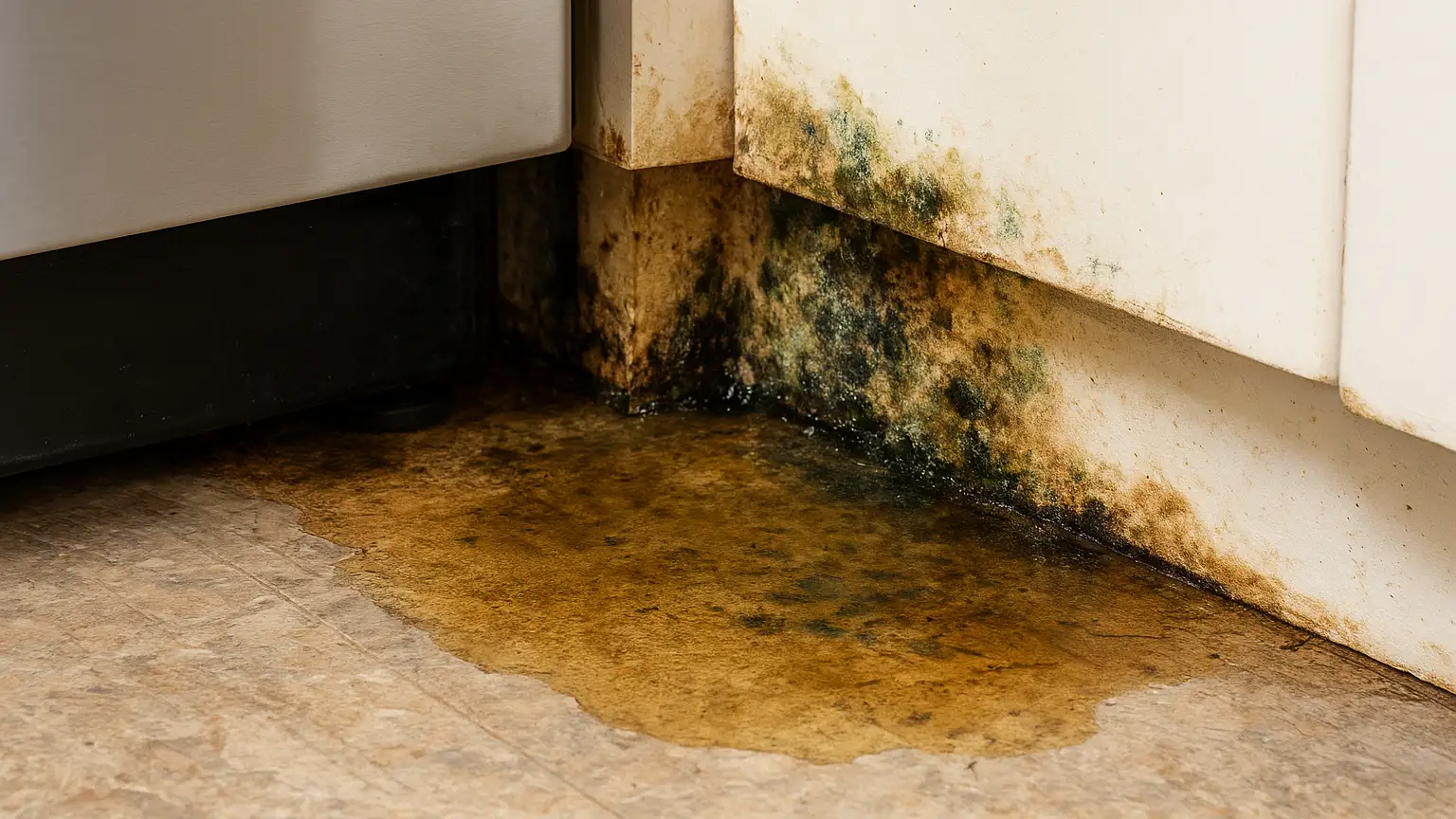
Once the bathroom checks out dry, move to the kitchen. The hoses behind the dishwasher, the thin line feeding the fridge ice maker, and the fittings under the sink all leak in the same slow, quiet way. The difference is that cabinets block your view, so these dishwasher and ice maker leaks can go unseen even longer and invite mold under the floor.
A Dry Floor Starts at the Base of the Toilet
A failing wax ring or a tired supply line rarely makes a mess you can see. It sends a little water into the subfloor with every flush, and Arizona's dry air hides the evidence on top. A wobbly toilet, a soft spot, dark grout, or a musty smell is the floor telling you something is wrong underneath, and a paper towel and flashlight can catch it early.
When you find a leak, shut off the water, replace the ring, the line, and any worn valve together, and inspect the wood while the toilet is off. Firm wood can dry out. Soft wood needs to go. Start with the bathroom, confirm it is solid, and then carry that same careful eye through the rest of your home so small leaks never get the chance to become new floors.
Who Writes This Blog
Advice Shaped by Real Installs Across the Valley
Knight Flooring AZ is a Phoenix flooring store and installation team based at 5231 E. Cambridge Ave. We carry trusted names like Shaw Floors, Mohawk, Beaulieu and Armstrong, and our work is backed by our installation warranty. These articles grow out of what our crews see on the job, from mid-century ranch homes in Arcadia to newer builds across the West Valley.

More From the Blog
More Floor Advice Worth a Read
Short, practical guides on choosing materials, catching trouble early and keeping your floors looking sharp through long Phoenix summers.