The Kitchen Drips You Never See Are Feeding Mold
Why Kitchen Leaks Hide So Well
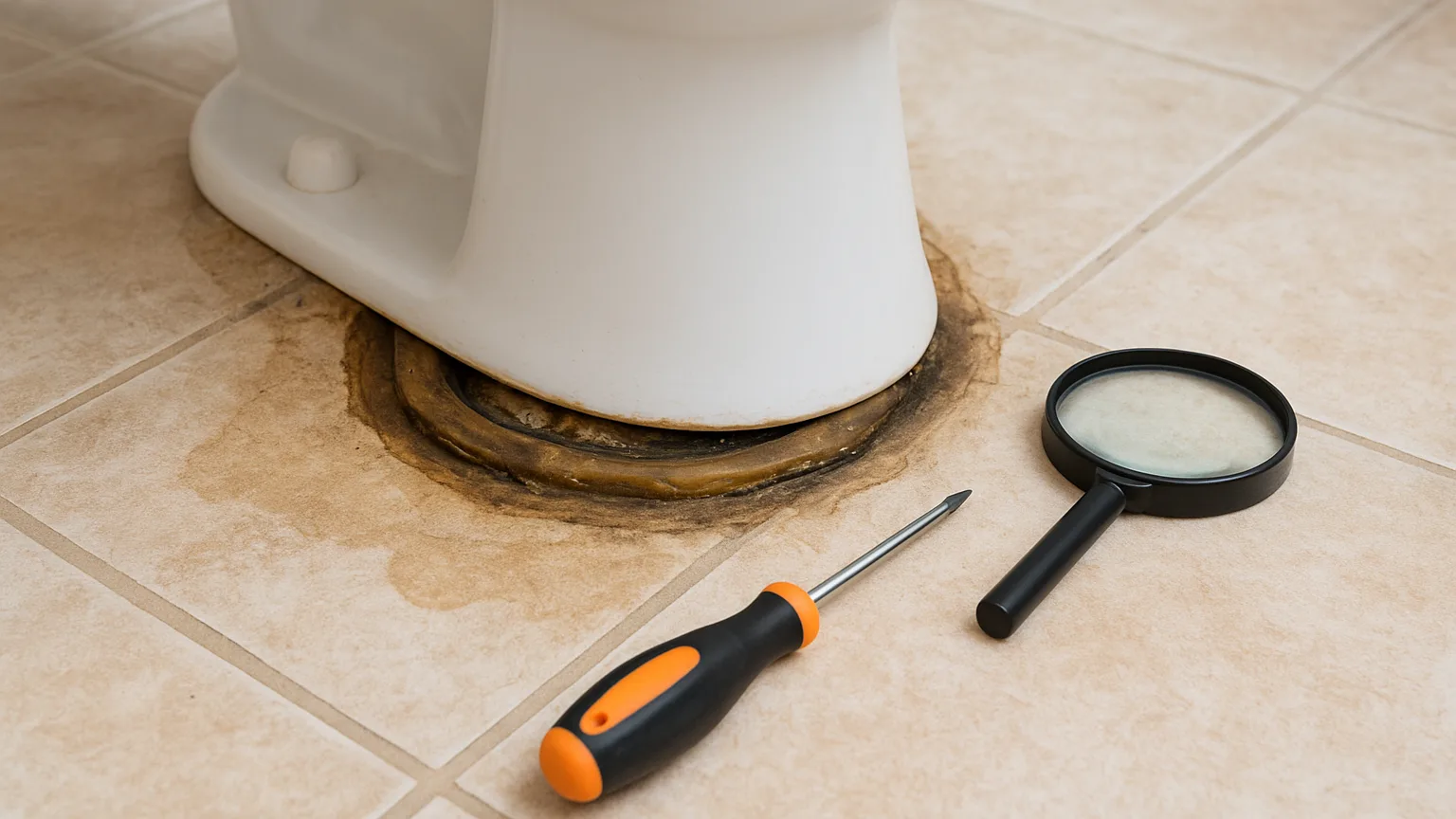
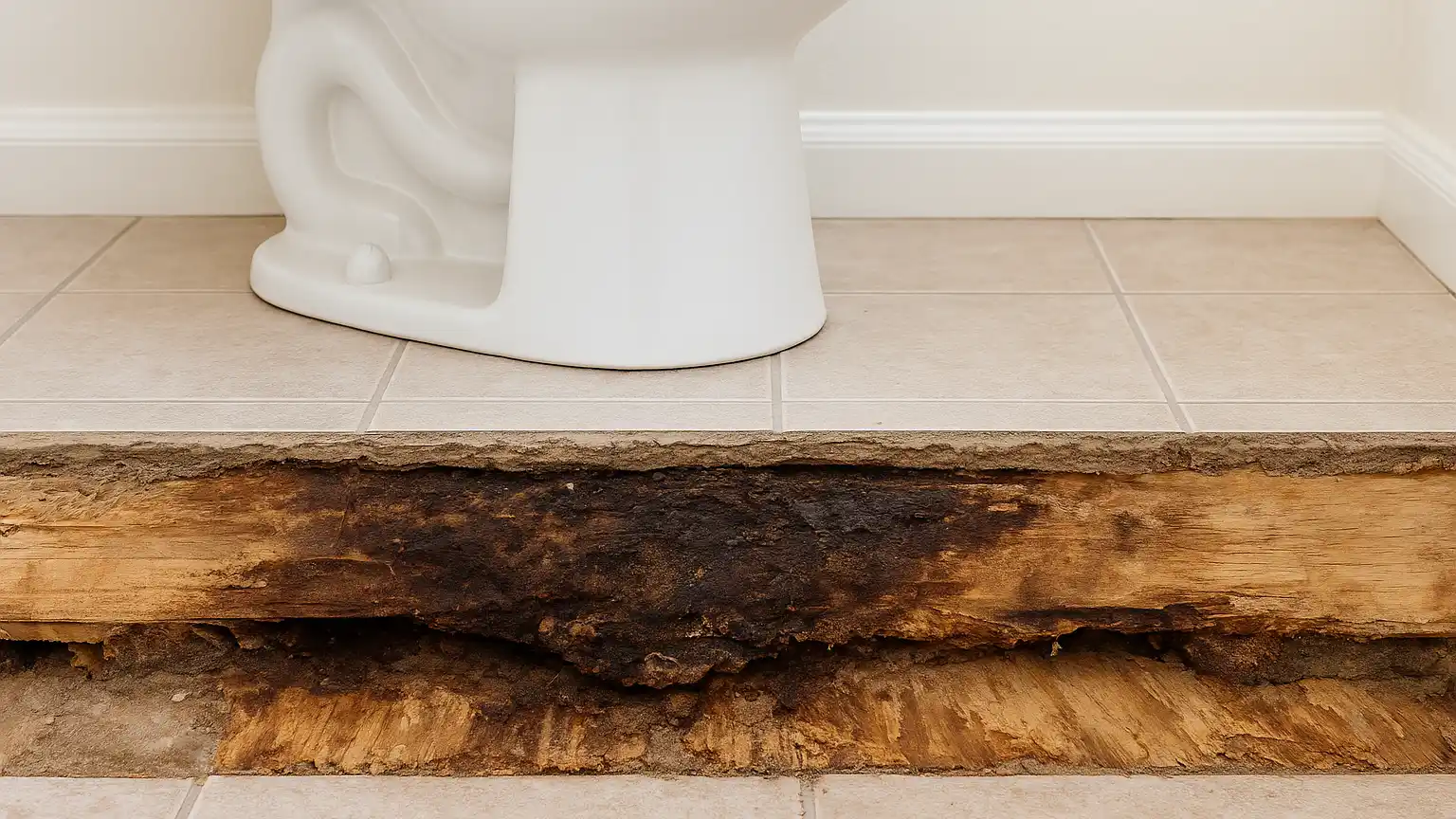
Checking around the toilet is a smart first move in any leak hunt. Once you have looked for soft spots near the toilet, stained grout, and signs of a failing wax ring, head to the kitchen. Three more water lines sit there behind closed doors, and they can drip for months before anyone notices.
Once you understand how hidden leaks reach your floors, a vague worry about water damage becomes a short list of spots to check. The dishwasher and ice maker lines belong near the top of that list.
The advice here was shaped with help from Handysquad Home Services. Their crews spend a lot of time under sinks and behind appliances, fixing the slow leaks that homeowners miss. Their field experience helped us focus on where water really goes once it escapes.
Water Runs Where You Cannot Look
A bathroom leak usually shows up on tile you walk on every day. A kitchen leak is sneakier. The dishwasher sits inside a box with no view of the floor. The fridge hides its ice maker line against the wall. The sink base is packed with cleaning bottles and trash bags.
Water from any of these spots runs downhill. It slips under the toe kick of the cabinets, then soaks into the subfloor and the edges of your flooring. By the time you see it in the open, it has often been spreading for weeks.
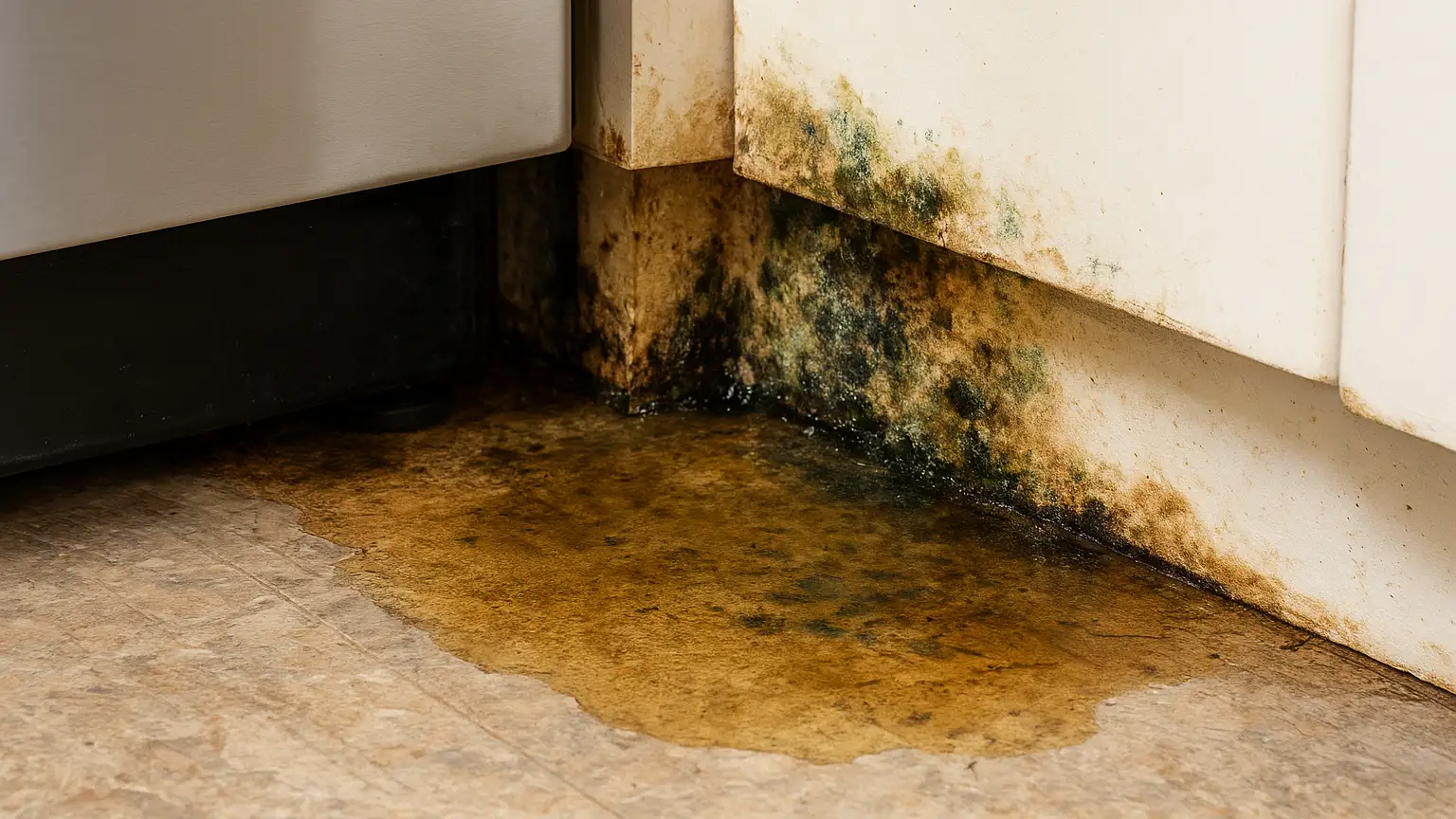
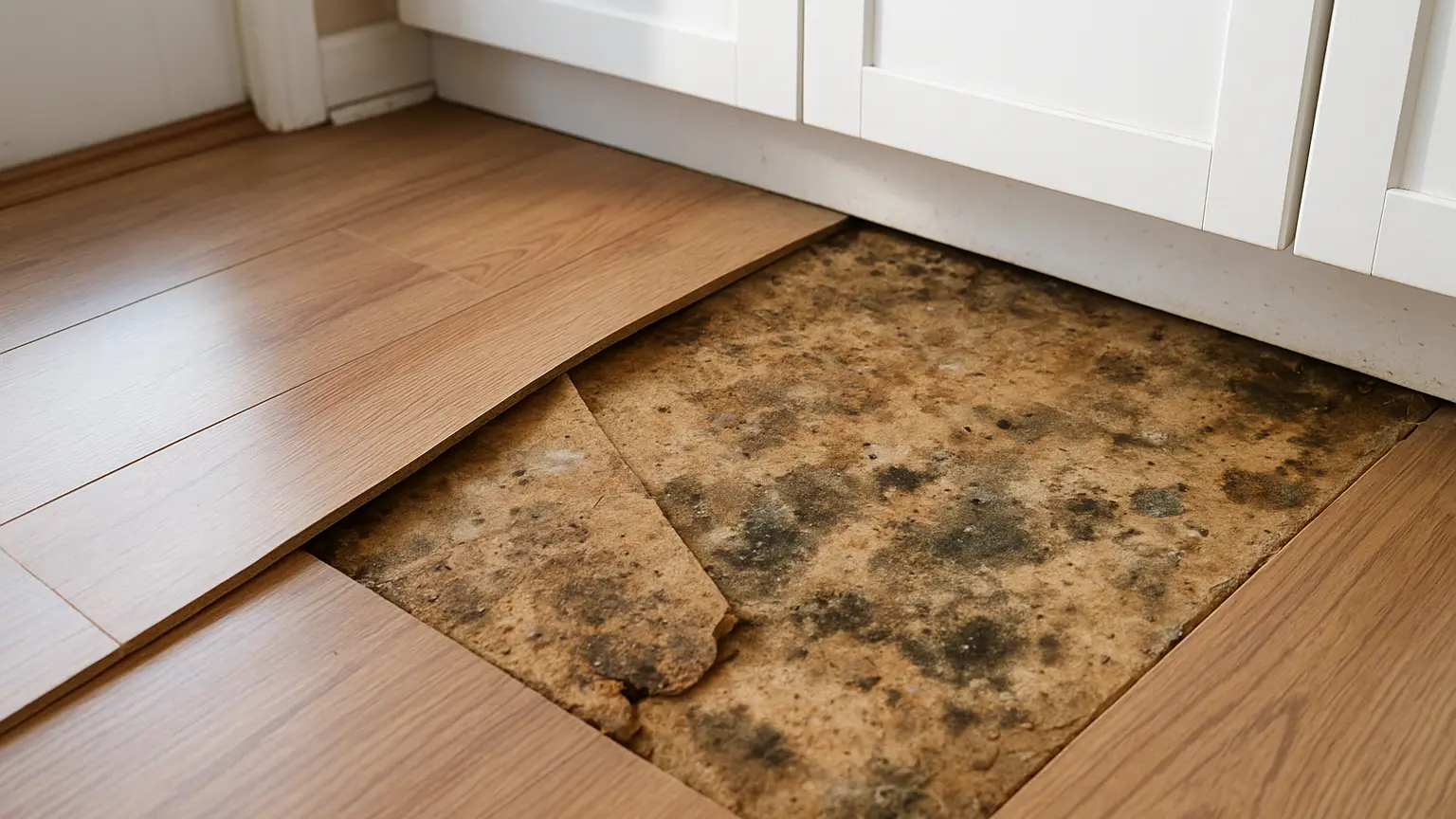
Most cabinet boxes are made of particleboard. Particleboard soaks up water like a sponge and swells. Once it swells, it never shrinks back. Laminate and engineered wood near the cabinets react the same way. They lift at the seams and curl at the edges.
The Arizona Twist: Hard Water and Heat
Arizona water is full of minerals like calcium. Those minerals build up on fittings, valve stems, and the rubber washers inside hose ends. Over time the washers harden and crack. A connection that was snug five years ago can start to weep without any warning.
Heat adds to the problem. Plastic ice maker tubing and old rubber hoses get brittle faster in a hot house. A line that gets bumped when the fridge is pushed back can split along a weak spot.
Then there is mold. Many people think a dry climate means no mold. Under a cabinet, though, it is dark, still, and warm. A tiny drip keeps that small space damp all year. Mold only needs a little water, some wood, and time. You may smell it before you see it, as a musty odor when you open the sink door or start the dishwasher.
Ready to price out a new floor?
Get a fast quote from a Phoenix flooring store that installs what it sells, with samples brought right to your door.
A Fifteen Minute Kitchen Leak Hunt
You do not need special tools for this check. Grab a flashlight, a few dry paper towels, and your phone camera. Snap photos as you go so you can compare them next time.
Under the Kitchen Sink
- Empty the cabinet. You cannot spot a drip behind a wall of bottles.
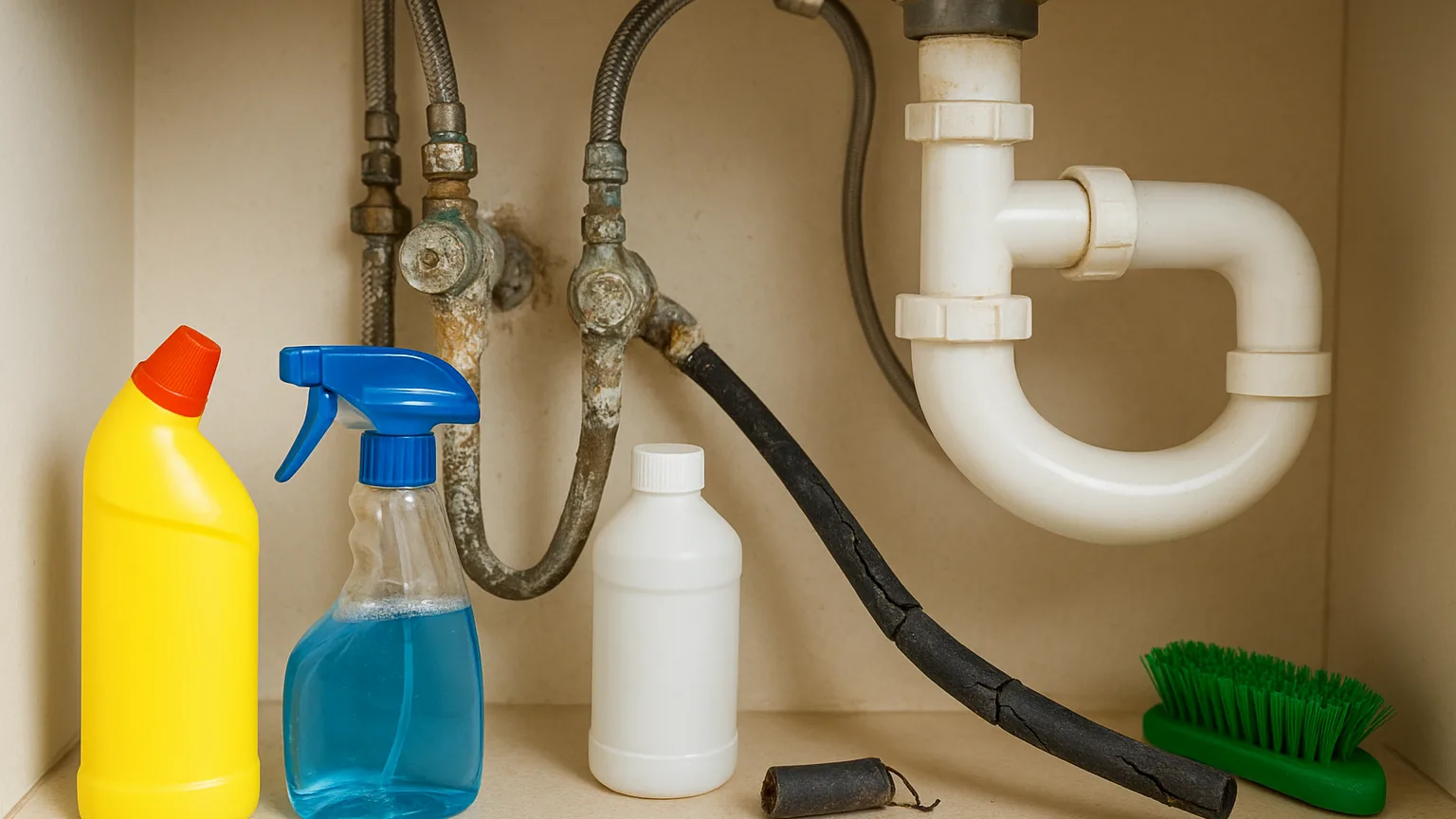
- Use the paper towel test. Wrap a dry towel around each shutoff valve, faucet line, drain nut, and the garbage disposal. Any damp spot points to the leak.
- Look for white crust. A chalky trail on a fitting means water has been drying there, even if it looks dry today.
- Check the cabinet floor. Bubbling, dark rings, or a soft feel when you press it are warning signs.
Behind the Dishwasher
Take off the kickplate at the bottom of the dishwasher. It is usually held by two screws. Shine your light in and find the supply line where it meets the brass elbow. Then trace the drain hose back toward the sink.
Look for rust on the frame, water stains, or flooring that is darker near the front edge. For a better test, run a short cycle with the kickplate off and watch while it fills. Leaks at the elbow often show up only when water is flowing.
At the Refrigerator
Slide the fridge out slowly. Lay down cardboard or use appliance glides first so you do not scratch or tear your floor. Vinyl plank and wood both scuff easily under a heavy fridge.
Follow the ice maker line along its whole length. Pay close attention to the connection on the back of the fridge and the valve at the wall. Look for kinks where the line got pinched the last time the fridge was pushed back. Stained or puffy baseboard behind the fridge is another clue.
Let the Floor Tell You
Sometimes the floor shows the leak before you find the source. Watch for these signs:
- Plank seams lifting near the dishwasher
- Boards curling or cupping in front of the fridge
- Grout lines turning darker than the rest of the room
- Planks that feel spongy or sound hollow when you step on them
- A musty smell that comes back no matter how often you clean
“Most kitchen leaks we find started at a fitting someone tightened once and never looked at again. A cheap part fails, and the cabinet and floor go with it,” says Marcus Delgado, senior field technician at Handy Squad Home Services.
Rather talk it through with a pro?
Call our team and we will help you match the right material to your rooms, your budget and the way your household lives on its floors.
Replace, Upgrade, and Guard Every Water Line
Even if your hunt came up dry, these lines do not last forever. Small upgrades now cost far less than new cabinets and new flooring later.
Swap Old Lines Before They Fail
- Choose braided stainless steel. Use braided supply lines for the faucet and dishwasher. They resist kinks and bursts much better than plain rubber.
- Upgrade the ice maker line. Thin plastic tubing cracks with age. A braided ice maker line is a cheap and easy swap.
- Replace on a schedule. Plan to change supply lines every five to eight years, or sooner if you see crust or rust.
- Fix stuck shutoff valves. If a valve will not turn, it will not help in an emergency. Quarter turn valves shut off fast and are easy to use.
One simple habit makes a big difference. “Each time you replace a line, put a fresh washer in it and hand tighten first,” says Marcus Delgado, lead repair technician at Handy Squad Home Services. “Overtightening can crack a fitting just as fast as age can.”
Add Cheap Early Warnings
A battery leak alarm costs about the same as a takeout dinner. Put one under the sink, one behind the dishwasher, and one behind the fridge. When water touches the sensor, it beeps loudly. Smart sensors can send an alert to your phone, which helps if you travel or spend summers away.
For more protection, think about an automatic shutoff valve. It closes the water supply when a sensor gets wet. A drip pan under the fridge or dishwasher also catches small leaks before they reach the floor.
When the Floor Is Already Wet
Shut off the water to the leaking line first. Pull out anything stored in the cabinet and run fans to dry the area. Do not cover a wet subfloor with rugs or new planks. Trapped moisture is exactly what mold wants.
If the cabinet floor has swelled, it usually needs to be replaced. If the flooring has lifted or the subfloor feels soft, a flooring pro can test moisture levels, pull the damaged planks, and check the wood underneath. Patching over a damp subfloor only hides the problem until it shows up again, often bigger. Mold that covers a large area should be handled by a remediation company.
Keep the Kitchen Dry From the Cabinet Floor Down
Kitchen leaks hide because the dishwasher, sink, and ice maker lines all sit where you rarely look. Arizona's hard water and heat wear down washers and tubing faster than many people expect, and a slow drip in a dark cabinet can swell particleboard, lift your flooring, and grow mold. A quick check with a flashlight and paper towel, braided replacement lines, and a few cheap alarms will stop most of that damage. Once the kitchen is sealed up, turn your attention outside to gapped door thresholds, failed caulk, and worn sills that let monsoon rain push under your floors.
Think of each water line as a part with a shelf life, not a set and forget item. Put a reminder on your calendar to repeat this check every spring and fall. Catching a damp towel or a white crust today is far easier than tearing out cabinets and floors next year. Your kitchen floor will stay flat, your cabinets will stay solid, and the air under your sink will stay fresh.
Who Writes This Blog
Advice Shaped by Real Installs Across the Valley
Knight Flooring AZ is a Phoenix flooring store and installation team based at 5231 E. Cambridge Ave. We carry trusted names like Shaw Floors, Mohawk, Beaulieu and Armstrong, and our work is backed by our installation warranty. These articles grow out of what our crews see on the job, from mid-century ranch homes in Arcadia to newer builds across the West Valley.

More From the Blog
More Floor Advice Worth a Read
Short, practical guides on choosing materials, catching trouble early and keeping your floors looking sharp through long Phoenix summers.