Follow the Raindrop: How Storm Water Slips Under Your Door
Where Storm Water Finds Its Way Inside
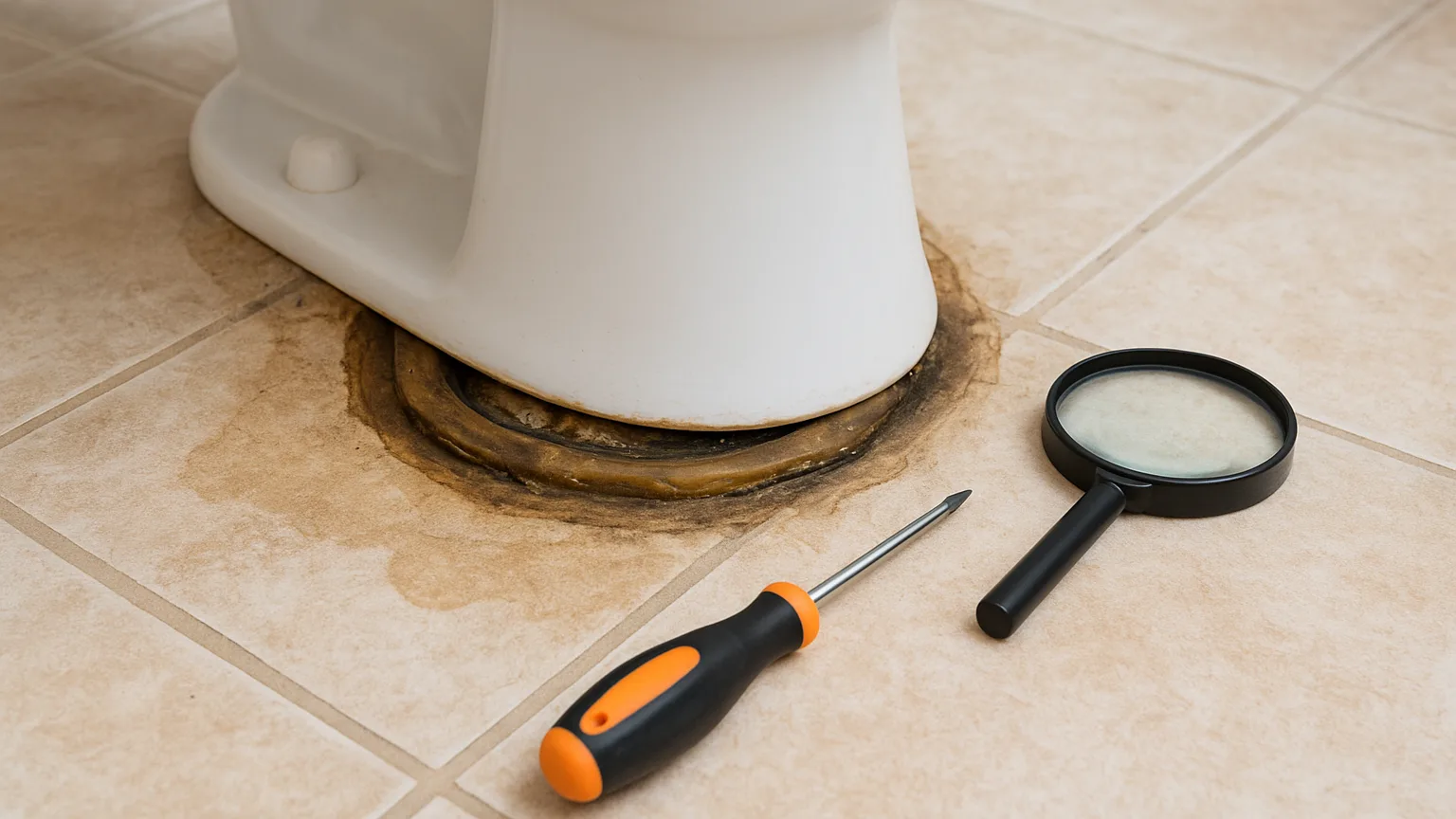
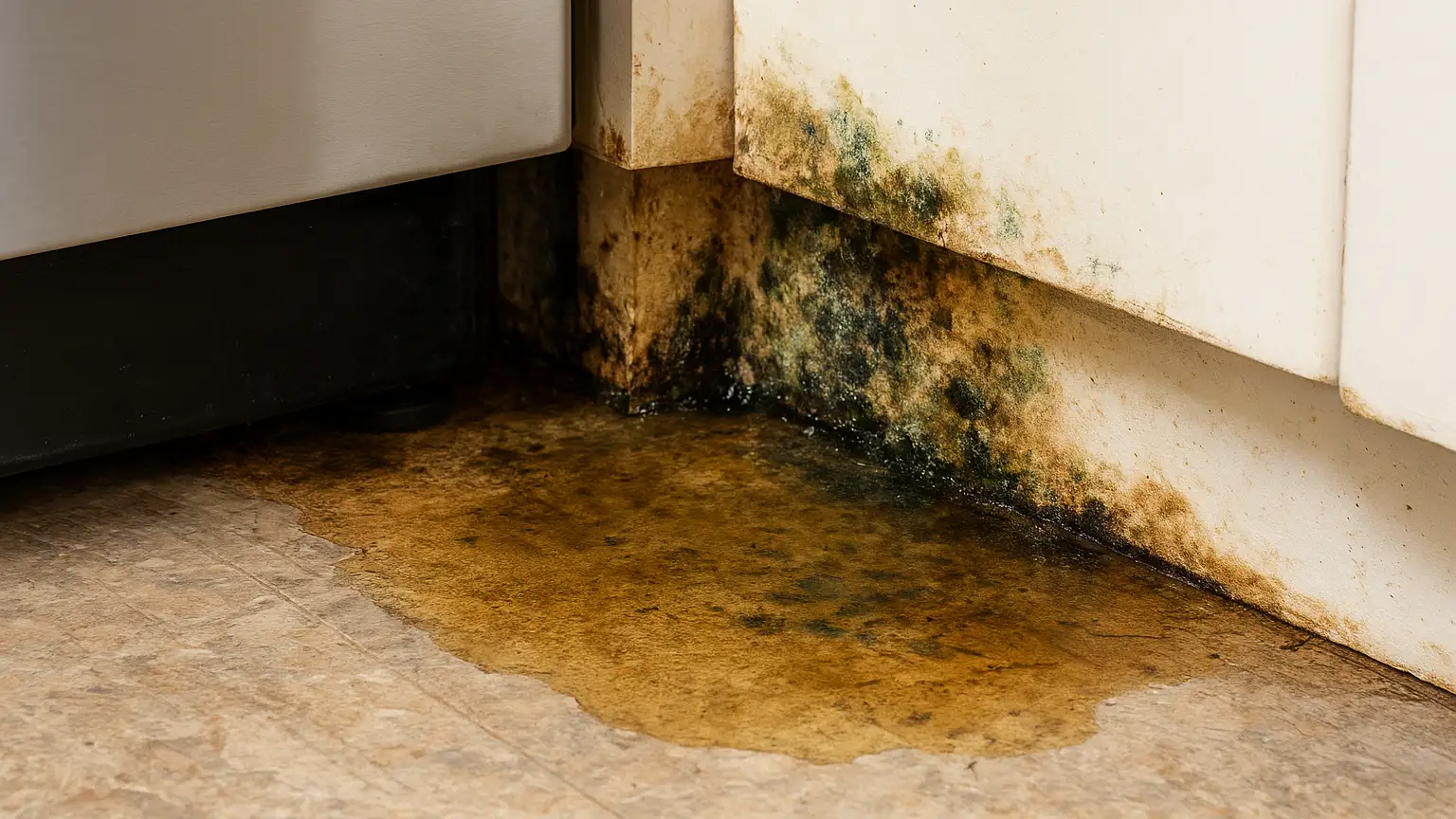
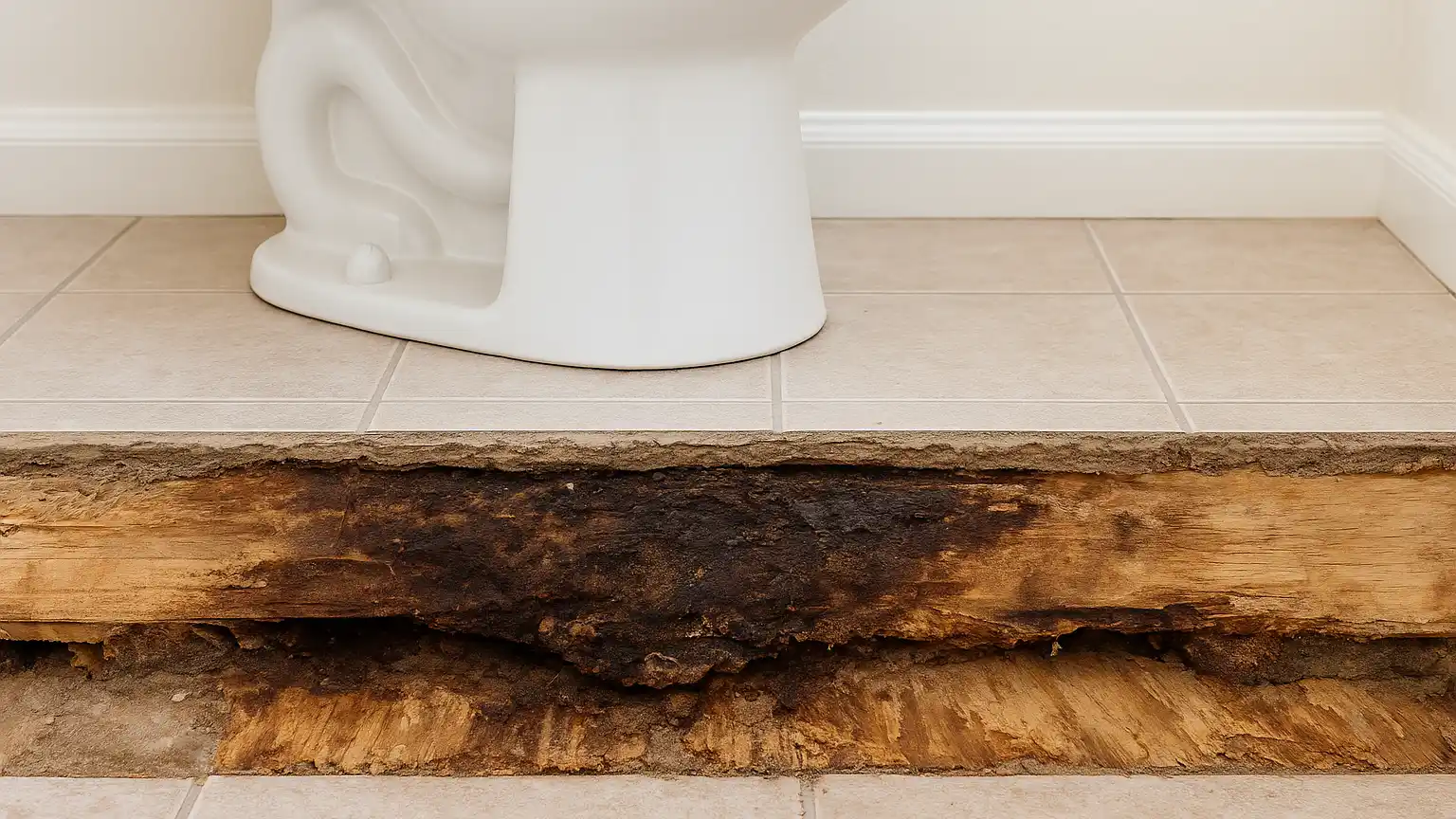
So far we have chased leaks that start inside the house. One is a tired toilet wax ring that soaks the subfloor. The others are the dishwasher and ice maker lines that drip behind cabinets until mold moves in. This last leak is different. It does not come from your pipes. It comes from the sky, and it gets in at your doors.
Much of the practical thinking behind these leak checks was shaped by Handysquad Home Services, whose crews spend their days fixing the small repairs that keep big damage away. Their hands-on view of doors, trim, and seals helped guide the advice below.
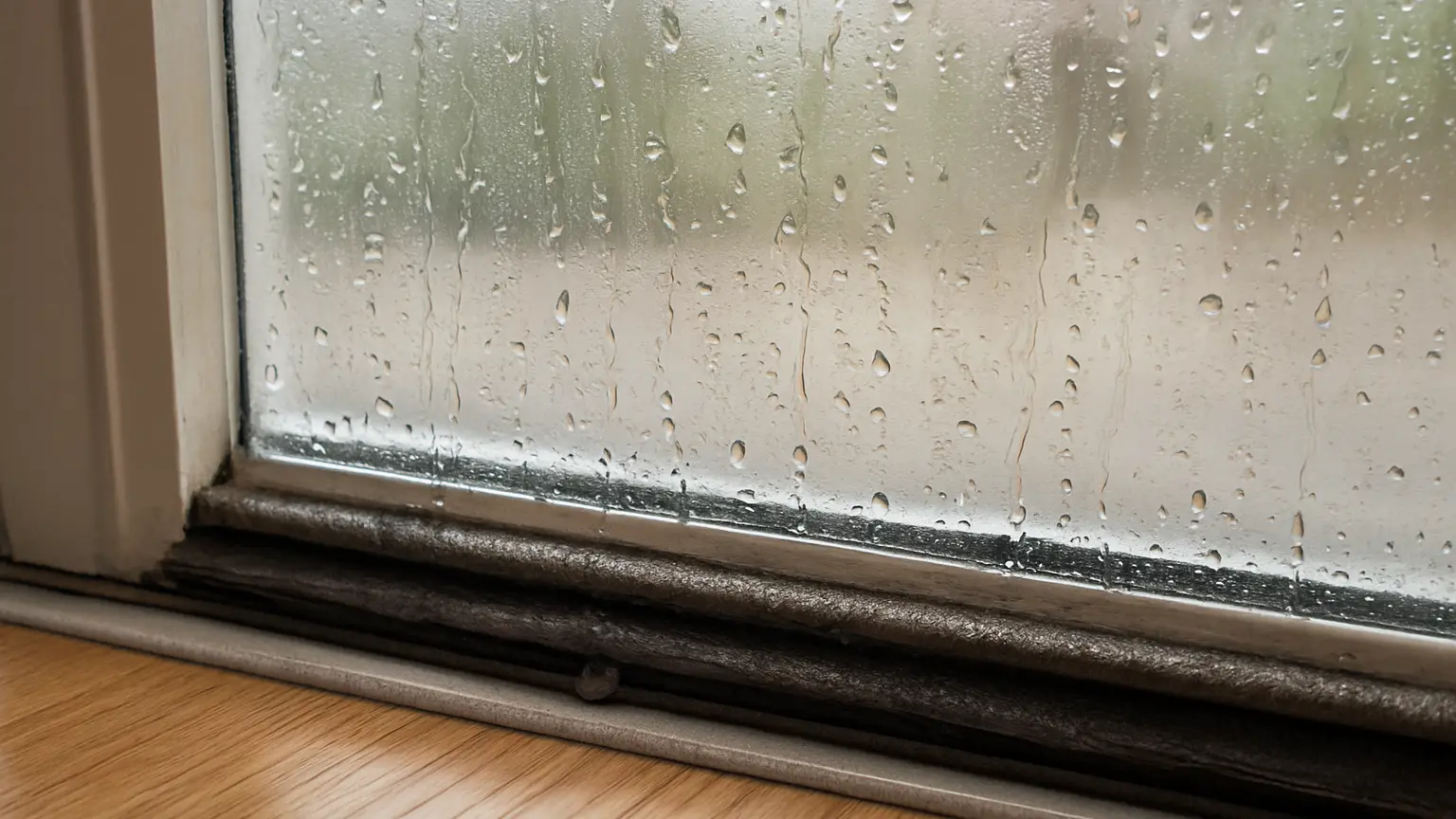
Arizona rain is not gentle. A monsoon cell can roll in with 50 mph gusts and dump an inch of water in under an hour. That rain does not fall straight down. It flies sideways and slams into your doors and sliders. Then it looks for any gap it can find. A crack in old caulk or a sill that has pulled loose is all it needs, and once inside it spreads just like the plumbing drips in our overview of underfloor water damage.
Think Like a Raindrop
The best way to find a door leak is to picture the path a single drop takes. Water is lazy. It always moves downhill and toward the easiest opening. Here is the route it often follows at a patio door:
- It hits the glass and runs down to the bottom track.
- Wind pushes it past a worn door sweep or a flattened seal.
- It slips under the threshold where the caulk has cracked.
- It soaks into the subfloor or slab edge beneath the sill.
- It spreads under your flooring, out of sight, for days.
The scary part is the timing. Most of this water hides. The floor near the door may look fine the morning after a storm. Weeks later, laminate edges start to swell. Hardwood planks cup into a shallow wave. Carpet near the slider smells musty, and the tack strip rusts. Tile may show white, chalky streaks in the grout as water pulls minerals up from the slab. By the time you see it, the leak has been working for a long while.
Desert heat makes it worse. Summer sun bakes your door seals at well over 150 degrees on a west wall. Caulk dries out, shrinks, and pulls away from the frame. Rubber sweeps go stiff and crack. A seal that was tight in March can be gapped by July, just in time for the storms.
Ready to price out a new floor?
Get a fast quote from a Phoenix flooring store that installs what it sells, with samples brought right to your door.
Five Spots to Check on Every Exterior Door
You do not need special tools for this check. Grab a flashlight, a dollar bill, and a garden hose. Then work your way around each door and slider that leads outside.
1. The Caulk Line Along the Sill
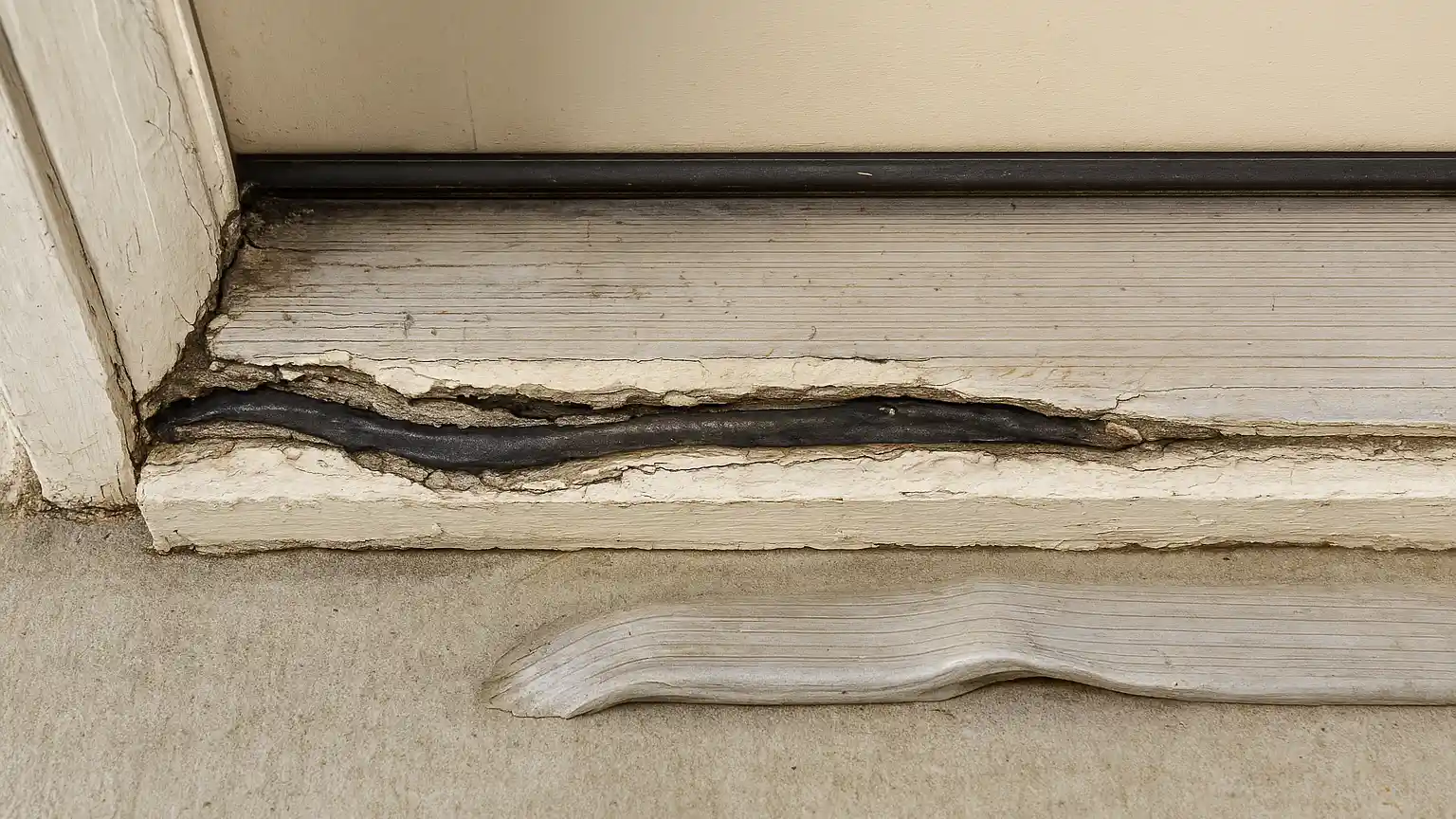
Kneel down and look where the threshold meets the floor and the frame. Good caulk is smooth and stuck tight on both sides. Bad caulk is cracked, gray, chalky, or peeling up at the ends. Push on it with a fingernail. If it lifts or crumbles, water can get under it.
2. The Threshold Itself
Many thresholds have a raised strip in the middle that you can adjust with screws. Over time it sinks and leaves a gap under the door. Close the door and look for daylight along the bottom. If you can see light, rain can get in.
3. The Door Sweep and Weatherstrip
Here is where the dollar bill helps. Close the door on it in a few spots along the bottom and sides. Then pull it out. If it slides out with no drag, the seal is too loose to stop wind-driven rain. This simple test is one the pros at Handysquad Home Services often point to, because it shows a gap that the eye cannot see.
4. The Weep Holes on Sliders
Sliding doors have small drain holes on the outside of the bottom track. They let water that gets into the track drain back out. In Arizona, dust storms pack these holes with fine dirt. When they clog, the track fills like a bathtub and overflows inward. Look for tiny slots or flaps at the bottom of the frame and see if they are blocked.
5. The Ground Outside the Door
Step outside and look at your patio or walkway. Does it slope toward the house? Does water pool right at the door after you run the sprinklers? A patio that tilts the wrong way sends every storm straight at your sill.
Signs the Water Already Got In
Check the floor inside each door, too. These clues mean water has likely been sneaking under for a while:
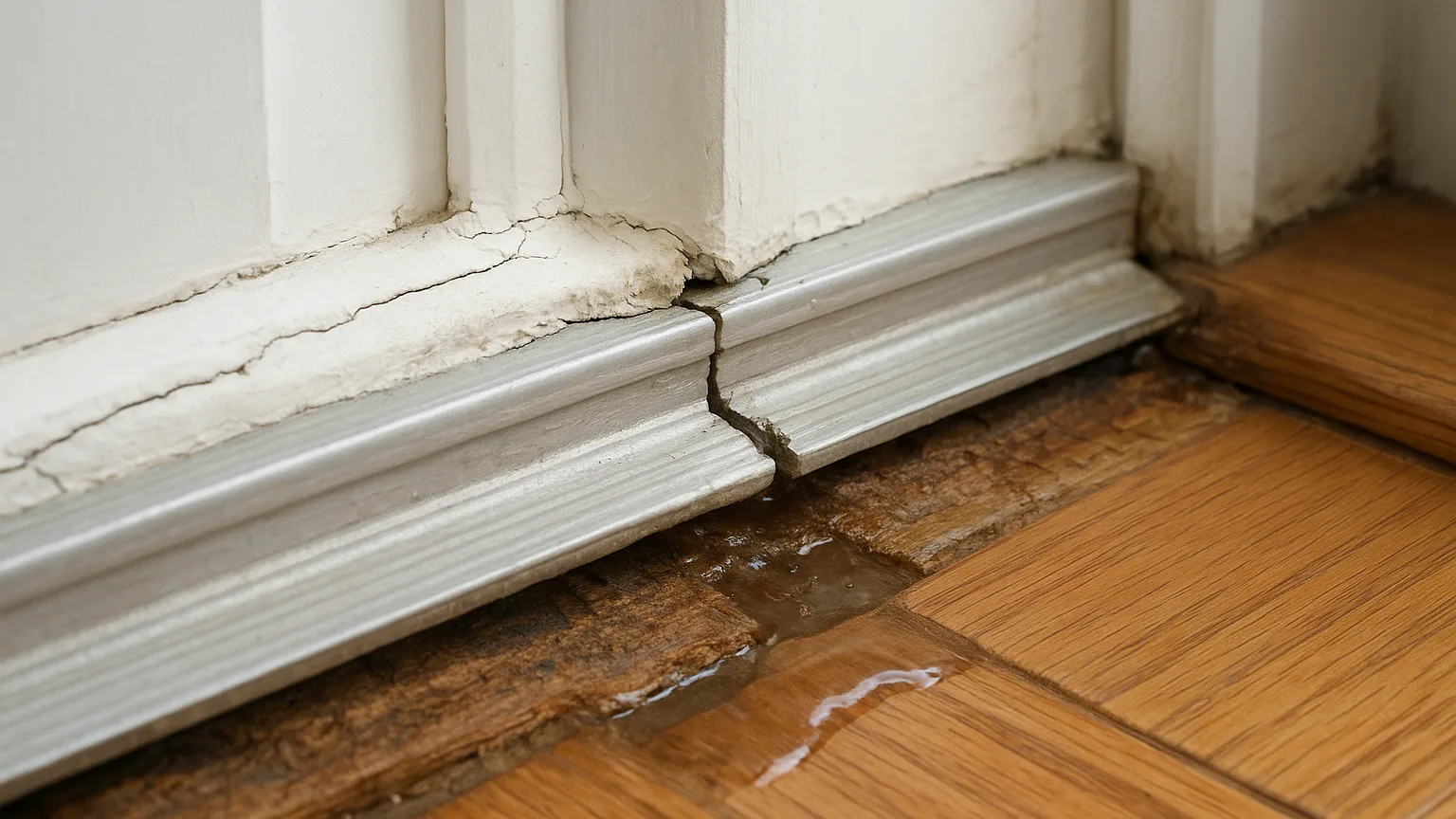
- Laminate or vinyl plank edges that feel puffy or raised near the door
- Wood floors that cup, gap, or turn dark at the threshold
- Baseboards that are swollen, stained, or pulling off the wall
- Carpet that feels damp or smells sour after a storm
- Soft or spongy spots when you step just inside the door
- White, crusty residue in tile grout near the sill
Not sure if a door leaks? Do a hose test on a dry day. Have one person spray the door low and at an angle, like wind-blown rain, for about five minutes. The other person watches inside with a flashlight. Start low and work up so you can tell exactly where the water comes in.
Rather talk it through with a pro?
Call our team and we will help you match the right material to your rooms, your budget and the way your household lives on its floors.
Repairs to Finish Before the Next Storm Season
Fall is the perfect time for door repairs in Arizona. The air is dry, temperatures are mild, and the next monsoon is months away. Caulk and sealant cure best between about 50 and 90 degrees. That makes October through April your best window to get this done.
Recaulk the Right Way
Old caulk must come out before new caulk goes in. Putting a fresh bead over a cracked one just traps water behind it. Follow these steps:
- Cut out all old caulk with a utility knife or scraper.
- Clean the joint with rubbing alcohol and let it dry fully.
- Use an exterior-grade polyurethane or hybrid sealant, not cheap acrylic.
- Run a steady bead and smooth it with a damp finger.
- Leave the weep holes and drain paths open. Never caulk them shut.
Tune Up the Threshold and Seals
Turn the adjustment screws on the threshold until the door just touches it when closed. Then swap out any cracked door sweep or flattened weatherstrip. These parts are cheap and usually snap or slide into place. A new sweep can stop more water than any other ten-dollar repair in the house.
Clear the Slider Tracks
Vacuum the bottom track, then use a thin wire or pipe cleaner to clear each weep hole. Pour a cup of water into the track to make sure it drains out the front. Do this every spring, and again after any big dust storm.
When the Wood Is Already Soft
Sometimes the leak has gone on so long that the door jamb or sill is rotten. Poke the bottom of the frame with a screwdriver. If it sinks in easily, caulk will not save it. Rotted wood needs to be cut out and replaced, then primed and painted. That kind of exterior carpentry and painting work is what keeps a frame strong enough to hold a seal at all.
If you replace a door, ask about a sill pan. This is a shaped tray that sits under the threshold. Any water that slips past the door gets caught and sent back outside. It is one of the best defenses against monsoon rain, and it is easy to add during install but hard to add later.
Check the Floor Before You Repair It
Fixing the door stops new water. It does not dry out what is already there. Before you replace swollen planks or stained carpet, have the subfloor checked with a moisture meter. Laying new flooring over a wet slab or soggy plywood will only lead to the same damage again. The same rule applies to the bathroom, where a leaking wax ring can leave plywood wet long after the toilet is reset.
A Dry Home From the Toilet to the Front Door
Water damage under floors almost never starts with a flood. It starts with a slow drip at a toilet base, a weeping hose behind the dishwasher, or a sideways sheet of monsoon rain slipping past a gapped threshold. Each one hides beneath your flooring and grows quiet and costly. The fix in every case is the same habit: look closely, test simply, and repair small problems before they spread into rotted subfloors and moldy pads.
Start in the bathroom, move through the kitchen, and finish at every door that faces the weather. Recaulk the sills, tighten the thresholds, swap the worn sweeps, and clear those dusty weep holes while the fall air is dry. Do that, and your floors can ride out the next Arizona storm season looking as good as the day they went in.
Who Writes This Blog
Advice Shaped by Real Installs Across the Valley
Knight Flooring AZ is a Phoenix flooring store and installation team based at 5231 E. Cambridge Ave. We carry trusted names like Shaw Floors, Mohawk, Beaulieu and Armstrong, and our work is backed by our installation warranty. These articles grow out of what our crews see on the job, from mid-century ranch homes in Arcadia to newer builds across the West Valley.

More From the Blog
More Floor Advice Worth a Read
Short, practical guides on choosing materials, catching trouble early and keeping your floors looking sharp through long Phoenix summers.